Healthcare providers participating in the Merit-based Incentive Payment System (MIPS) face an increasingly structured set of reporting requirements tied directly to Medicare reimbursement. MIPS evaluates eligible clinicians across four performance categories: Quality, Cost, Improvement Activities, and Promoting Interoperability. That composite score is compared against a national performance threshold, currently set at 75 points through the 2028 performance year, and practices scoring above that threshold may receive positive payment adjustments on their Medicare reimbursements, while those scoring below risk penalties. The further a score falls from the threshold in either direction, the greater the financial impact.
With CMS continuing to refine the program and increase the emphasis on outcomes and value-based care, practices are looking at every lever available to strengthen their scores. One factor that is often overlooked is the physical environment of the exam or procedure room, and specifically the chair. ADA-compliant MTI chairs are designed to support patient accessibility, provider efficiency, and regulatory compliance, three areas that map directly to MIPS performance. This post outlines how investing in the right equipment can meaningfully support MIPS outcomes across multiple categories.
Enhanced Patient Experience
Patient experience is a meaningful component of MIPS quality reporting, and the physical accessibility of your exam environment plays a direct role in shaping that experience. For patients with mobility disabilities, an exam chair that cannot be lowered adequately, does not provide stable transfer support, or requires staff-assisted positioning creates barriers before the clinical encounter even begins. Those barriers affect not only patient satisfaction but the completeness of the examination itself.
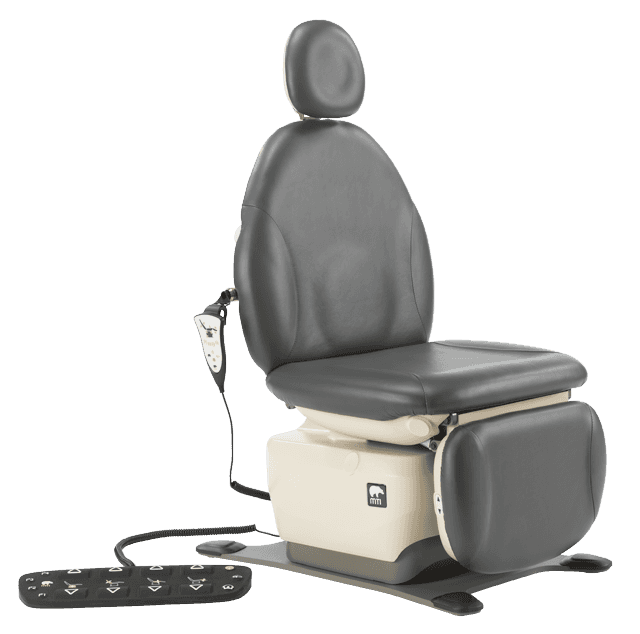
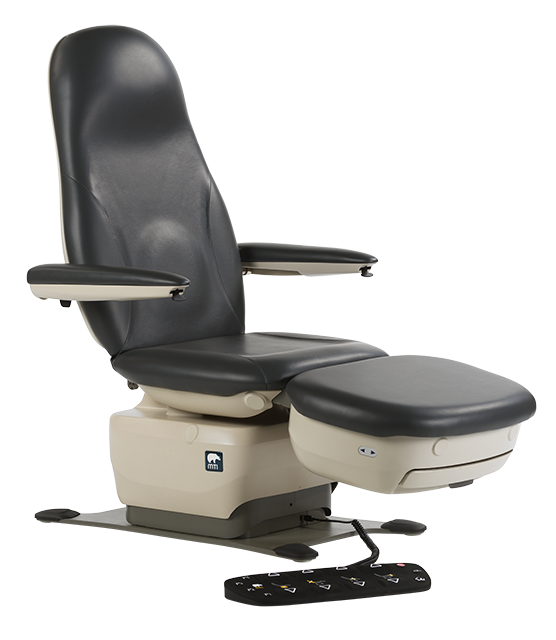
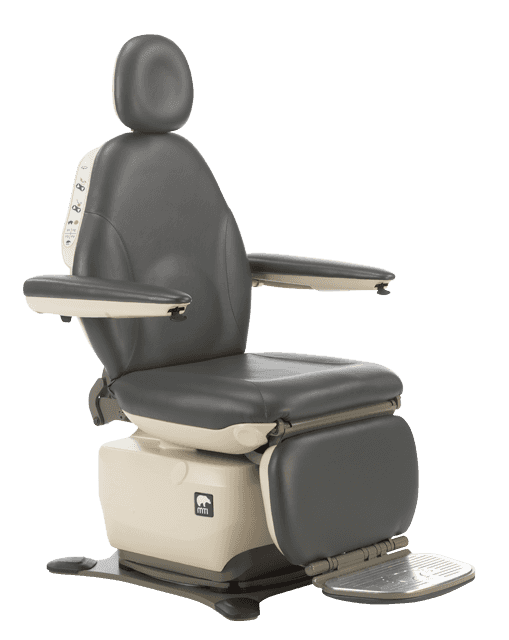
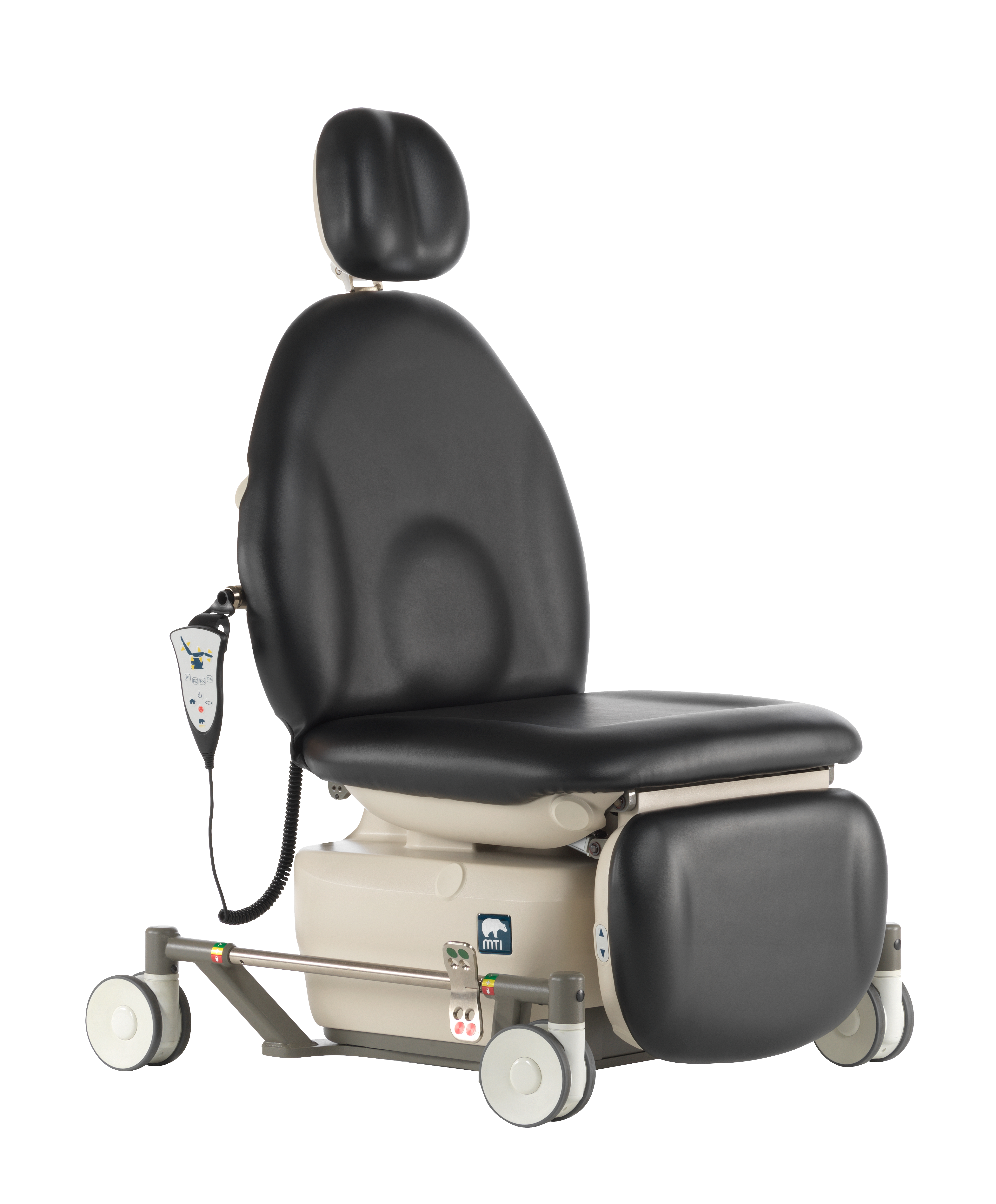
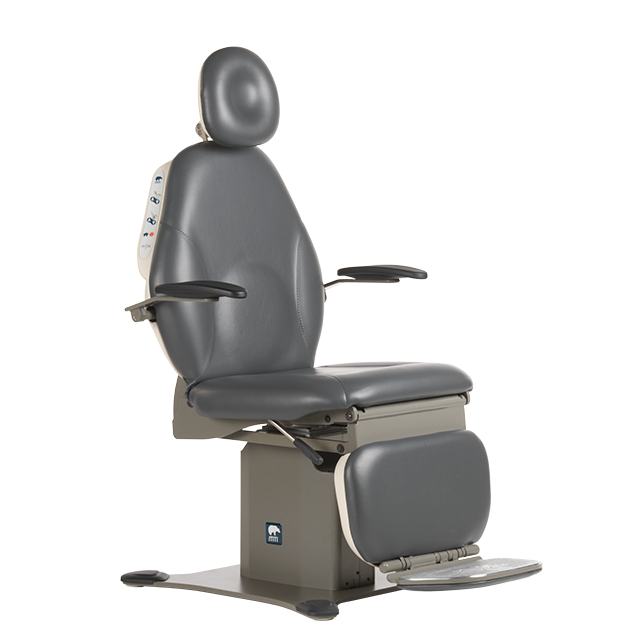
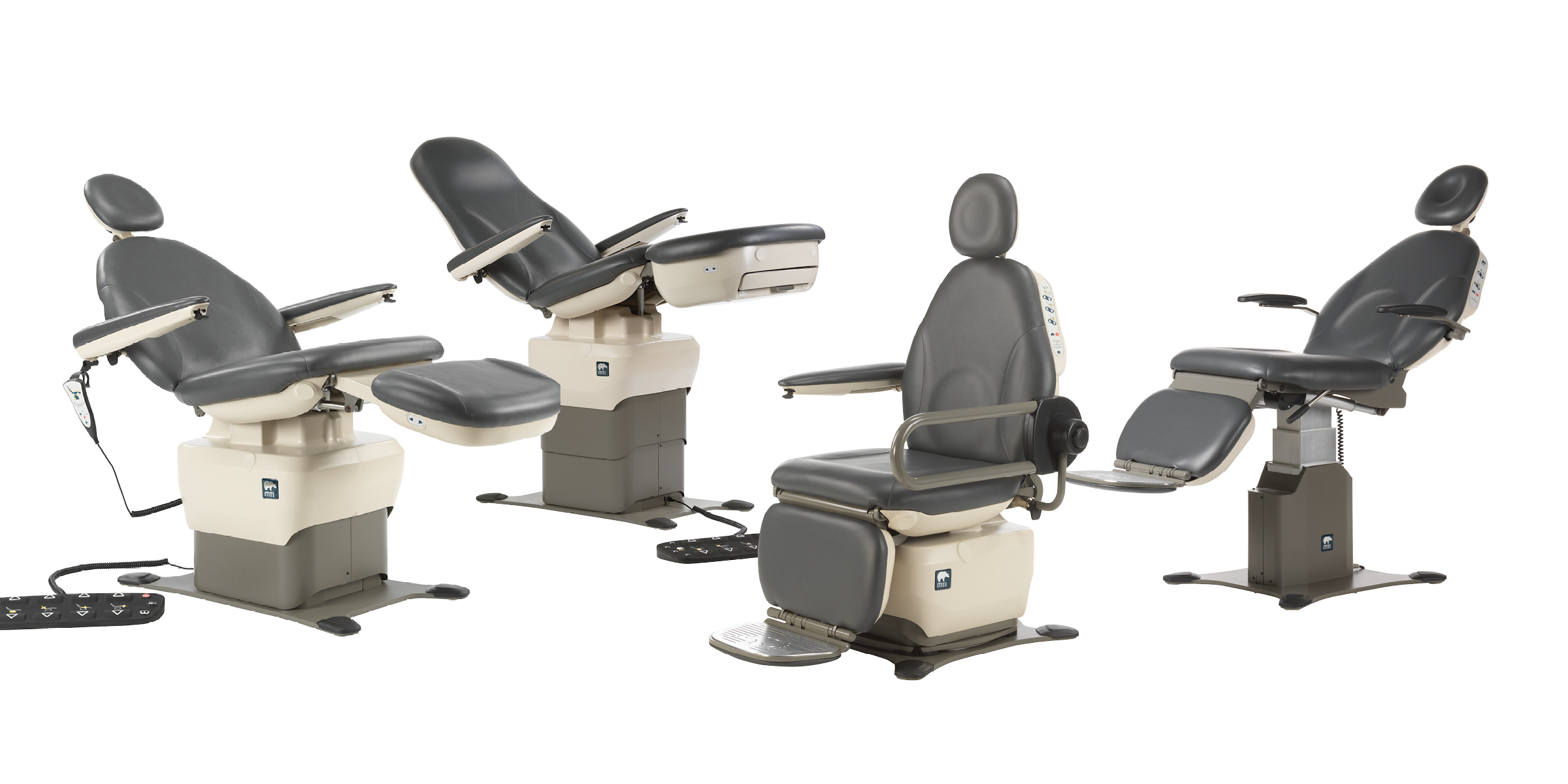
ADA-compliant MTI chairs are designed with patient comfort and accessibility in mind, providing easy patient access, comfortable seating, and smooth adjustments that help patients feel at ease during examinations and procedures. The low entry height allows patients with mobility limitations to transfer more independently, reducing the physical and psychological friction that can discourage patients from seeking or returning for care. Practices that remove these barriers are better positioned to serve a broader patient population and to reflect that commitment in their quality reporting.
Increased Provider Efficiency
Efficiency measures are key components of MIPS scoring, and the design of exam and procedure equipment has a direct effect on how efficiently providers can work. MTI chairs are engineered to optimize caregiver ergonomics, with features including adjustable height, intuitive controls, and tapered backs for easier access to patients. These design elements reduce the time and physical effort required to position patients and perform examinations, allowing providers to move through their schedule more effectively without compromising the quality of each encounter.
Reducing provider strain also has longer-term workforce implications. Equipment that requires awkward positioning or manual assistance for patient transfers contributes to musculoskeletal injuries among clinical staff, which affect productivity and continuity of care. Chairs designed for both patient and provider ergonomics support a more sustainable workflow, which in turn supports consistent, high-quality performance across MIPS measures.
Compliance with ADA Regulations

MIPS scoring recognizes the importance of accessible care for patients with disabilities, and the regulatory landscape around medical equipment accessibility has changed significantly. In 2024, both HHS and the DOJ issued final rules making the U.S. Access Board’s standards for accessible medical diagnostic equipment enforceable federal law. These rules apply to any provider participating in Medicare or Medicaid, which encompasses the majority of MIPS-eligible clinicians. Facilities that have not yet evaluated their equipment against these standards should do so now, as compliance deadlines are in effect as of mid-2026.
Investing in ADA-compliant MTI chairs addresses both the clinical and regulatory dimensions of this requirement. Accessible chairs offer low entry and exit heights, allowing patients with disabilities to transfer more independently and safely, reducing the risk of injury to both patient and provider. For practices serving patients with conditions that affect mobility, such as orthopedic, neurological, or geriatric populations, accessible equipment is not just a regulatory obligation but a clinical necessity. Demonstrating a consistent commitment to inclusive, accessible care supports the quality and improvement dimensions of MIPS reporting and reflects well on a practice’s overall standard of care.
Improvement Activities
The Improvement Activities category represents a meaningful opportunity within MIPS, and it is one where equipment decisions can have a direct and documentable impact. The 2026 MIPS Improvement Activities list includes activities emphasizing health equity, patient safety, and care coordination, with CMS placing increasing emphasis on efforts that reduce disparities and expand access for underserved populations.
Practices that invest in ADA-compliant equipment and can document that investment as part of a broader effort to improve accessibility and reduce barriers to care are well-positioned to attest to relevant Improvement Activities. This includes activities related to expanded practice access and patient safety, both of which align naturally with the decision to equip exam and procedure rooms with chairs that meet federal accessibility standards. The key is documentation: practices should be prepared to describe the goals of the improvement, the process change made, and the patient population benefiting from it.
Equipping your practice with ADA-compliant chairs is a tangible, concrete, and documentable improvement. It is the kind of change that MIPS Improvement Activities are designed to recognize.
Long-Term Cost Savings
While the primary focus of MIPS scoring is quality improvement, the financial case for ADA-compliant MTI chairs extends beyond reimbursement adjustments. MTI chairs are built for durability and reliability, minimizing downtime, repair costs, and premature replacements. The total cost of ownership over the life of a well-built chair compares favorably to repeated maintenance or replacement cycles on lower-quality equipment.
There is also the question of risk. Practices that are not in compliance with the 2024 federal accessibility rules may be exposed to litigation from patients who experience barriers to care. While no specific federal enforcement action process has been formally outlined to date, ensuring your equipment meets the applicable standards is a reasonable step toward reducing that exposure. Investing in compliant equipment addresses the regulatory requirement and the associated risk at the same time.
Maximizing MIPS scores requires a comprehensive approach to quality improvement and patient care. Integrating ADA-compliant MTI exam and procedure chairs into your practice supports stronger performance across patient experience, provider efficiency, regulatory compliance, and improvement activities, while offering long-term value and reducing regulatory risk.
MTI has 11 procedure and exam chair models that meet all applicable requirements under 36 CFR Part 1195 Standards for Accessible Medical Diagnostic Equipment, including the 829, 830, 550, and others across the MTI product line. Contact MTI or your regional sales representative to learn more about which models are right for your practice.